Digital Piano vs Acoustic Piano: Which Should You Rent?
Weighing up digital vs acoustic piano for your child? We compare sound, touch, exam suitability, space, noise, and cost — with practical advice for New Zealand families.
The Piano Question
Piano is one of the most popular instruments for children in New Zealand, and for good reason. It builds a strong musical foundation, it's a solo instrument that sounds complete on its own, and it develops skills that transfer to almost any other instrument. But when it comes to getting a piano into your home, there's an important choice to make: digital or acoustic?
Twenty years ago, the answer was straightforward — acoustic was "real" piano and digital was a compromise. That's no longer true. Modern digital pianos have closed the gap dramatically, and in some practical respects they're actually a better fit for today's families. Here's an honest comparison.
Quick Comparison
| Digital Piano | Acoustic Piano (Upright) | |
|---|---|---|
| Sound source | Sampled recordings of real pianos | Hammers striking strings |
| Touch/feel | Weighted keys (graded hammer action on quality models) | Natural hammer action |
| Volume control | Yes — adjustable volume + headphone jack | No (acoustic volume only, practice mute limited) |
| Weight | 15-40kg (portable models lighter) | 150-250kg |
| Space needed | Compact — fits in a bedroom or study | Substantial — needs a dedicated wall space |
| Tuning required? | Never | 1-2 times per year |
| Exam suitability | Accepted for most exams (with conditions) | Fully accepted for all exams |
| Rental cost | $$ | $$$ |
Digital Piano — Practical, Versatile, and Neighbour-Friendly
Who it suits
A digital piano is a great fit for most beginner and intermediate students. If you live in a flat, a townhouse, or anywhere with shared walls, the ability to plug in headphones and practise silently is genuinely transformative. It removes the single biggest barrier to regular practice: noise guilt.
Sound and touch
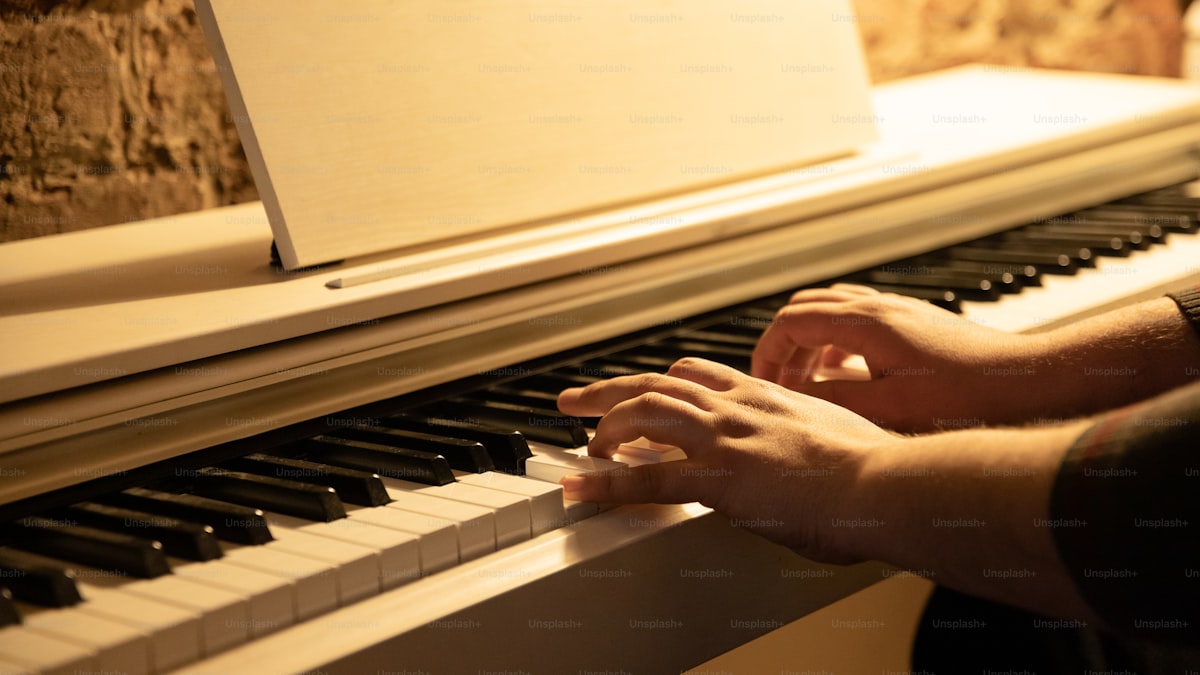
Quality matters enormously here. A cheap keyboard with unweighted, plasticky keys is not a substitute for a piano — your child's teacher will rightly object to it. But a proper digital piano with fully weighted, graded hammer-action keys is a different story. The best models sample their sounds from world-class concert grands and replicate the feel of an acoustic action convincingly.
The key thing to look for is fully weighted keys with graded hammer action. "Graded" means the lower keys feel heavier and the upper keys feel lighter, just like an acoustic piano. This is essential for developing proper technique. Any digital piano we rent at Prelude meets this standard — we won't send your child a toy keyboard.
Practical advantages
- Headphone practice: Your child can practise at any hour without disturbing anyone. This alone makes digital the preferred choice for many NZ families.
- No tuning: Digital pianos never go out of tune. An acoustic piano needs professional tuning once or twice a year (at $150-200+ per visit in New Zealand).
- Compact and moveable: Most digital pianos fit comfortably in a bedroom, study, or living room corner. They can be moved by one or two people.
- Temperature stable: Acoustic pianos are sensitive to humidity and temperature changes. Digital pianos aren't bothered by New Zealand's variable climate.
- Extra features: Metronomes, recording functions, and the ability to connect to learning apps can be helpful for practice, though they're not essential.
Limitations
Even the best digital piano doesn't perfectly replicate the resonance, overtones, and tactile feedback of a fine acoustic instrument. Advanced players notice the difference. For a beginner or intermediate student, it's unlikely to be a limiting factor, but if your child reaches a high level, they may eventually want to transition to an acoustic.
Acoustic Piano — The Traditional Choice
Who it suits
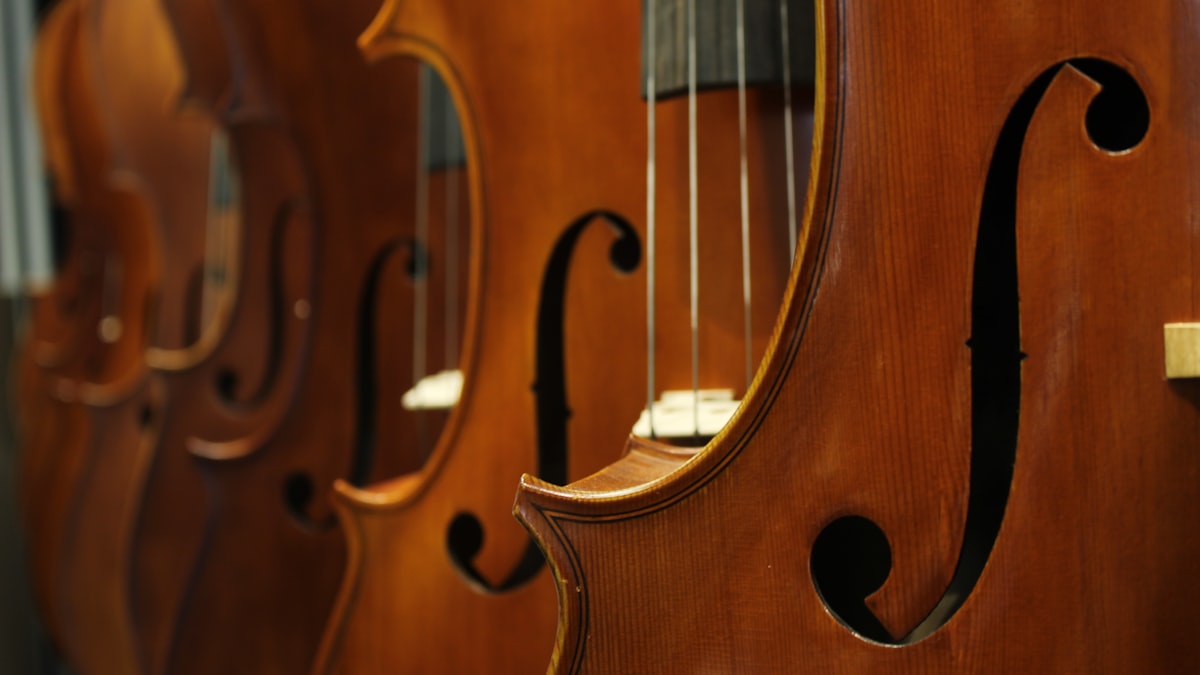
An acoustic upright piano is the traditional choice, and there's a reason teachers have recommended them for generations. The sound is produced mechanically — hammers hitting strings — and there's a richness and depth to the tone that even the best digital pianos can't fully replicate. If you have the space, the budget, and tolerant neighbours, an acoustic piano is a wonderful thing to have in your home.
Sound and touch
Nothing feels quite like a real acoustic action. The connection between finger, hammer, and string creates a level of tactile feedback and expressive control that serious pianists value deeply. Your child develops sensitivity to touch and dynamics in a way that's slightly more nuanced on an acoustic instrument.
That said, the difference is most relevant at intermediate and advanced levels. A beginning student will develop excellent technique on either a quality digital or an acoustic piano.
Practical considerations
- Space: An upright piano needs a solid wall to sit against and roughly 150cm of width. It's a substantial piece of furniture. Measure your space before committing.
- Weight: Upright pianos weigh 150-250kg. Moving one requires professional movers. This is worth considering if you rent and move house regularly.
- Noise: You cannot play an acoustic piano quietly. Practice mutes exist but they muffle the sound rather than eliminating it, and many teachers discourage their use because they change how the instrument responds. If your child needs to practise in the evening or early morning, this is a genuine issue.
- Tuning and maintenance: Budget for at least one professional tuning per year (two is better, especially in the first year after the piano is moved). NZ's humidity fluctuations mean pianos can drift out of tune seasonally.
- Climate sensitivity: Keep acoustic pianos away from direct sunlight, heat pumps, and exterior walls. Humidity changes cause the soundboard to expand and contract, affecting tuning and potentially causing damage over time.
Which Is Better for Exams?
This is one of the most common questions parents ask, and the answer has evolved. Here's where things stand for the main exam boards used in New Zealand:
- ABRSM (Associated Board of the Royal Schools of Music): Practical exams must be taken on an acoustic piano. However, ABRSM now offers Performance Grades, which are assessed by video and can be recorded on either instrument.
- Trinity College London: Accepts both digital and acoustic pianos for exams, provided the digital piano has a full 88-key weighted keyboard and sustain pedal.
- NZMEB (New Zealand Music Examinations Board): Accepts digital pianos that meet their specification requirements (full weighted keyboard, sustain pedal).
In practice, if your child is working towards exams, a quality digital piano with 88 fully weighted keys and a proper sustain pedal will be accepted by most exam boards in most situations. If you're specifically targeting ABRSM practical exams (not Performance Grades), an acoustic piano is required for the exam itself, though your child can still practise on a digital piano at home — many students do exactly this.
Check with your child's teacher about which exam board they use and any specific instrument requirements.
Cost Comparison
Digital pianos are less expensive to rent than acoustic pianos, and the total cost of ownership is lower too. Here's a rough picture:
- Rental: Digital piano rental is typically 30-50% less than acoustic upright rental.
- Delivery: Digital pianos can be delivered by standard courier. Acoustic pianos require specialist piano movers, which costs significantly more.
- Tuning: $0 for digital vs $150-200+ per session for acoustic (recommended 1-2 times yearly).
- Maintenance: Digital pianos are essentially maintenance-free. Acoustic pianos may occasionally need regulation, voicing, or minor repairs.
For most families starting out, a digital piano offers far better value. The money you save can go towards lessons instead. See our instrument hire cost guide for current pricing details.
Getting Started
For most beginner and intermediate students in New Zealand, we'd suggest starting with a quality digital piano. It's more practical, more affordable, and removes the noise barrier that stops many children from practising as much as they should. If your child progresses to an advanced level and decides they need an acoustic instrument, you can make that transition later — and you'll be making it from a position of knowledge rather than guesswork.
The non-negotiables for a digital piano are: 88 fully weighted keys with graded hammer action, a sustain pedal, and sound quality good enough that your child's teacher is happy with it. Everything beyond that is nice to have, not essential.
Browse our piano range to see what's available. If you're still weighing up options, our guide to choosing the right instrument covers the bigger picture, or find a piano teacher through our teacher directory to get a professional recommendation.